Types of Siphon Manometers: Don’t Choose the Wrong One
A siphon manometer is a pressure-measuring instrument that plays a crucial role in various industrial and laboratory applications. With the wide range of siphon manometer types available on the market, selecting the right one for specific needs is essential to ensure accurate pressure measurement. This article provides a comprehensive overview of the different types of siphon manometers along with their characteristics and applications, helping you choose the most suitable instrument for your pressure measurement requirements.
Definition and Function of a Siphon Manometer
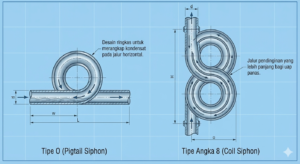
A siphon manometer is a pressure-measuring instrument that operates based on the principle of fluid equilibrium in a U-shaped tube or its variations. The device works by observing the difference in liquid height within connected tubes, caused by pressure differences at both ends.
The primary functions of a siphon manometer are to measure:
- Pressure differences between two points
- Gauge pressure (pressure relative to atmospheric pressure)
- Absolute pressure in closed systems
A basic siphon manometer consists of a U-shaped tube filled with a liquid such as mercury or water. When pressure is applied to one end of the tube, the liquid moves and creates a height difference that can be converted into a pressure value.
The main advantage of a siphon manometer is its ability to provide accurate readings without the need for frequent recalibration, as well as its resistance to temperature fluctuations compared to electronic pressure-measuring instruments.
Types of Siphon Manometers Based on Media (Mercury, Water, Digital)
Mercury Siphon Manometer
The mercury siphon manometer is the most classical type and is still widely used due to its high accuracy. Its advantages include:
- High density (13.6 times that of water), allowing high-pressure measurement with relatively short tubing
- Low volatility, preventing evaporation
- Minimal thermal expansion, ensuring consistent readings
- Wide measurement range (up to 1 atmosphere or more)
However, mercury siphon manometers also have limitations, such as mercury toxicity, relatively high cost, and hazardous waste disposal considerations.
Water Siphon Manometer
For low-pressure applications, the water siphon manometer is an economical and environmentally friendly option. Its characteristics include:
- Easy availability and low cost
- Environmentally safe
- Ideal for low-pressure measurements (0–1000 Pa)
- Easy to read and operate
The main limitations of water siphon manometers are their limited measurement range and evaporation issues, which can affect long-term measurement accuracy.
Digital Siphon Manometer
Technological advancements have led to the development of digital siphon manometers that combine traditional manometer principles with modern sensor technology. Their advantages include:
- Precise and easy-to-read digital displays
- Data storage and automatic reporting
- Connectivity with monitoring systems
- Adjustable measurement ranges
- Alarms and notifications for critical values
Indahmesin provides various types of digital siphon manometers with specifications that can be customized to meet industrial requirements, for both low- and high-pressure applications.
Selecting a Siphon Manometer Based on Pressure Requirements
Choosing the appropriate type of siphon manometer depends heavily on the pressure range to be measured:
For Very Low Pressure (0–100 Pa):
- Inclined manometers
- Micromanometers
For Low Pressure (100–10,000 Pa):
- Water siphon manometers
- Water-based inclined manometers
For Medium Pressure (10 kPa – 100 kPa):
- Mercury siphon manometers
- Digital manometers with low- to medium-pressure sensors
For High Pressure (> 100 kPa):
- Mercury siphon manometers with closed tubes
- Digital manometers with high-pressure sensors
Other factors to consider when selecting a siphon manometer include:
- Required accuracy
- Operating environment (temperature, humidity, vibration)
- Portability
- Calibration requirements
- Budget
Indahmesin offers consultation services to help you select the most suitable siphon manometer for your specific industrial needs, ensuring the right investment for accurate pressure measurement.
Proper Use and Maintenance Tips for Siphon Manometers
To ensure accurate measurements and long service life, proper use and maintenance of siphon manometers are essential. Below are some recommended practices:
Maintenance of Mercury Siphon Manometers
- Store in a safe place away from direct sunlight
- Inspect regularly for leaks
- Avoid mercury contamination
- Recalibrate every 6–12 months
- Follow safety protocols for toxic materials
Maintenance of Water Siphon Manometers
- Replace the water periodically to prevent microorganism growth
- Check and clean the tube to remove air bubbles
- Ensure the tube is free from dirt and sediment
- Store in an area with stable temperature
Maintenance of Digital Siphon Manometers
- Calibrate according to the manufacturer’s recommended schedule
- Check battery condition regularly
- Protect from excessive moisture
- Clean sensors and electronic components carefully
- Update firmware when available
When using a siphon manometer, be sure to:
- Place the instrument on a flat and stable surface
- Ensure there are no leaks at the connections
- Read measurements at eye level for manual manometers
- Use liquids that comply with the manometer’s specifications
- Avoid sudden pressure changes that could damage the instrument
Indahmesin provides periodic maintenance and calibration services to ensure your siphon manometer continues to operate optimally over the long term.
Conclusion
Selecting the appropriate type of siphon manometer is essential to obtain accurate and reliable pressure measurements. By understanding the characteristics of each type—whether mercury-based, water-based, or digital—you can determine the most suitable instrument for your industrial or laboratory pressure measurement needs.
Factors such as pressure range, required accuracy, operating environment, and budget must be carefully considered. In addition, proper use and maintenance will ensure long service life and consistent measurement accuracy.
Consult with experts from Indahmesin to receive specific recommendations on the most suitable siphon manometer for your application, and do not hesitate to seek assistance with operation and maintenance to achieve optimal pressure measurement results.